A private boat tour in Amsterdam feels different within minutes. The noise fades, the pace slows, and the city begins to reveal details most people never notice from the street.
If you’re wondering whether it’s worth it, the real answer is simple. It depends on how you want to experience Amsterdam.
Do you want to move through it quickly, or understand how it actually works?
Let us walk you through what you’ll notice, the way we would if you were already on the boat.
Why the Canals Matter More Than You Think
Amsterdam didn’t just “add” canals. The city was designed around them.
Between 1613 and 1662, during the Dutch Golden Age, the canal belt, known as the Grachtengordel, was built as a structured expansion plan. It wasn’t decorative. It was economic.
At that time, Amsterdam was one of the wealthiest cities in the world. Ships arrived daily carrying spices from Asia, sugar from the Caribbean, and timber from Northern Europe.
The canals functioned as transport routes, storage access points, and water management systems.
So when you step onto a boat today, you’re not just sightseeing.
You’re tracing the same routes that powered global trade.
Before You Book: The Real Question
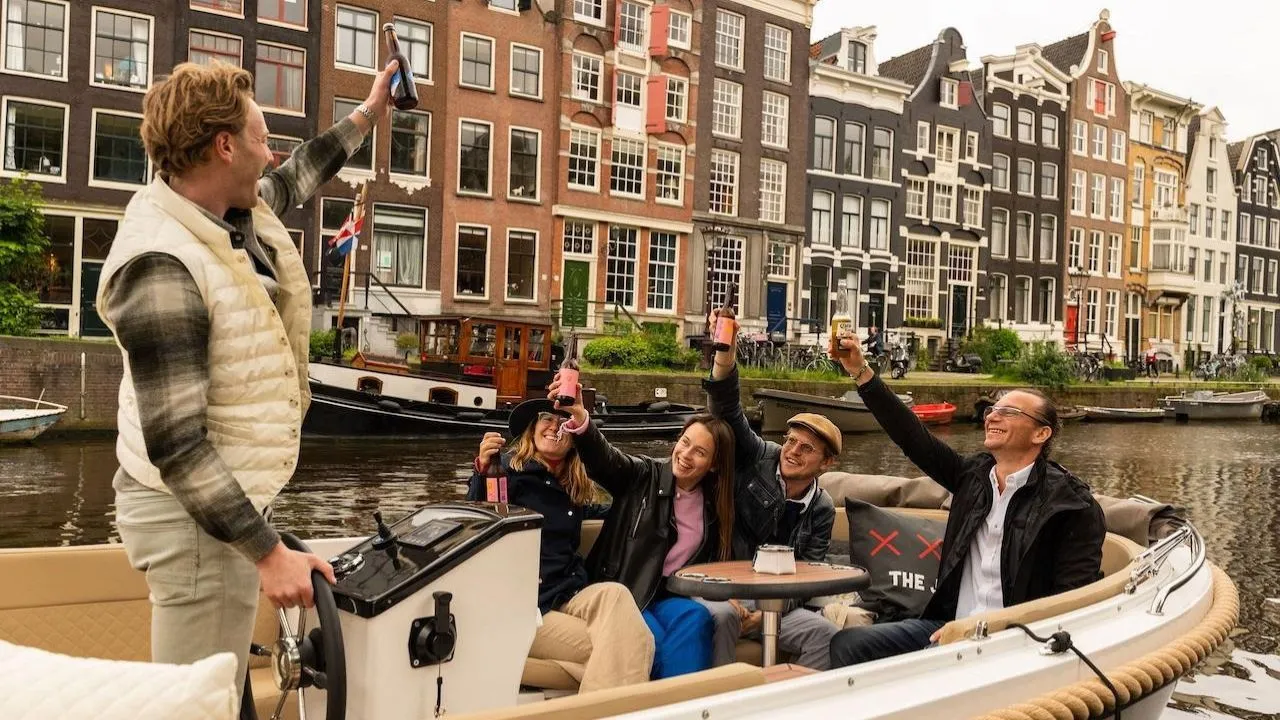
Most people don’t ask, “Is it worth it?” They ask:
-
Is this really different from a canal cruise?
-
Will it feel too slow?
-
Am I paying just for privacy?
These are fair questions.
From what we see with travellers, the difference becomes clear almost immediately, but only when the experience is designed well. Because here’s the subtle truth.
A private boat Tour is only as good as how it’s guided.
That is where providers like Adam & Eve Tours make a real difference. When you join, you are not just stepping onto a boat. You are being guided through the city with local stories, context, and small details that most people would miss on their own.
The experience flows naturally. One moment you are passing a historic canal house, the next you are hearing how trade shaped that entire neighborhood. It never feels forced or overly scripted.
So it is not just about privacy. It is about how well the experience is led, how much you understand along the way, and how connected you feel to the city by the time it ends.
1. You Notice the Silence Before Anything Else
The first thing that changes isn’t the view.
It’s the sound.
Amsterdam streets are active. Bikes, conversations, movement everywhere. But once your boat moves away from the dock, that noise drops.
You begin to hear:
-
Water moving against the boat
-
Soft echoes from canal walls
-
The city at a distance
This slower rhythm isn’t accidental.
The canals were designed for steady movement, not speed. Goods moved through the city gradually, not quickly.
That same pace still shapes how the experience feels today.
2. You Start Seeing the City Like a 17th-Century Trader
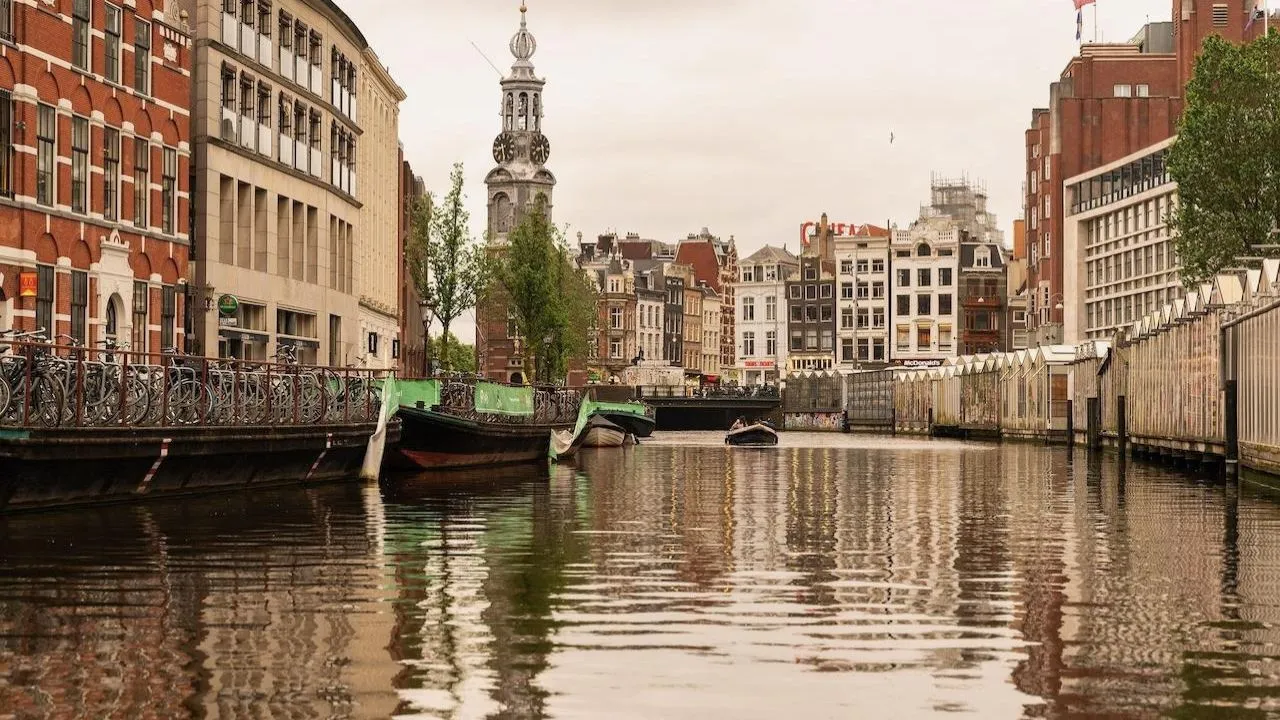
Let me point something out that most people miss.
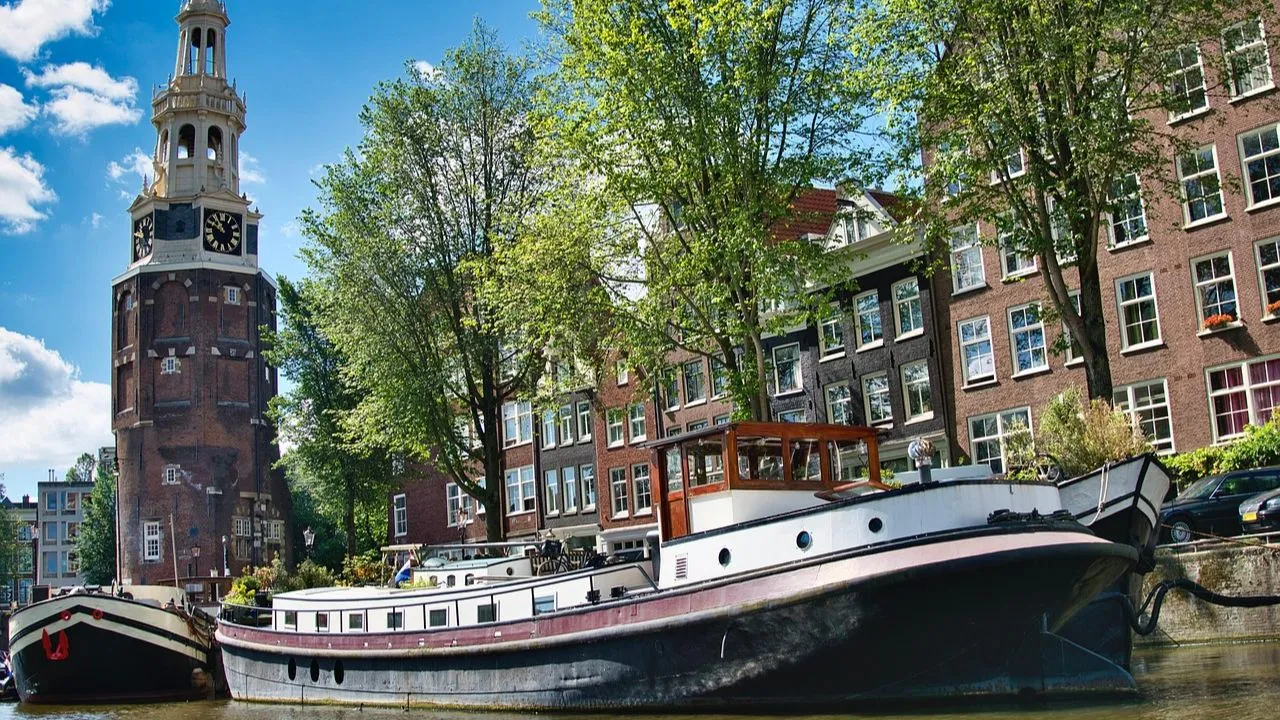
Look closely at the canal houses.
You’ll notice:
-
Narrow fronts
-
Large windows
-
Hooks at the top
-
A slight forward tilt
None of this is random.
In the 17th century, property tax was based on the width of the building. So houses were built narrow but deep.
The hooks were used to lift goods from boats directly into storage.
The forward tilt prevented cargo from hitting the building.
These weren’t homes at first. Many were warehouses.
From the street, these details are easy to miss.
From the water, they become obvious.
3. The Route Starts to Feel Intentional, Not Random
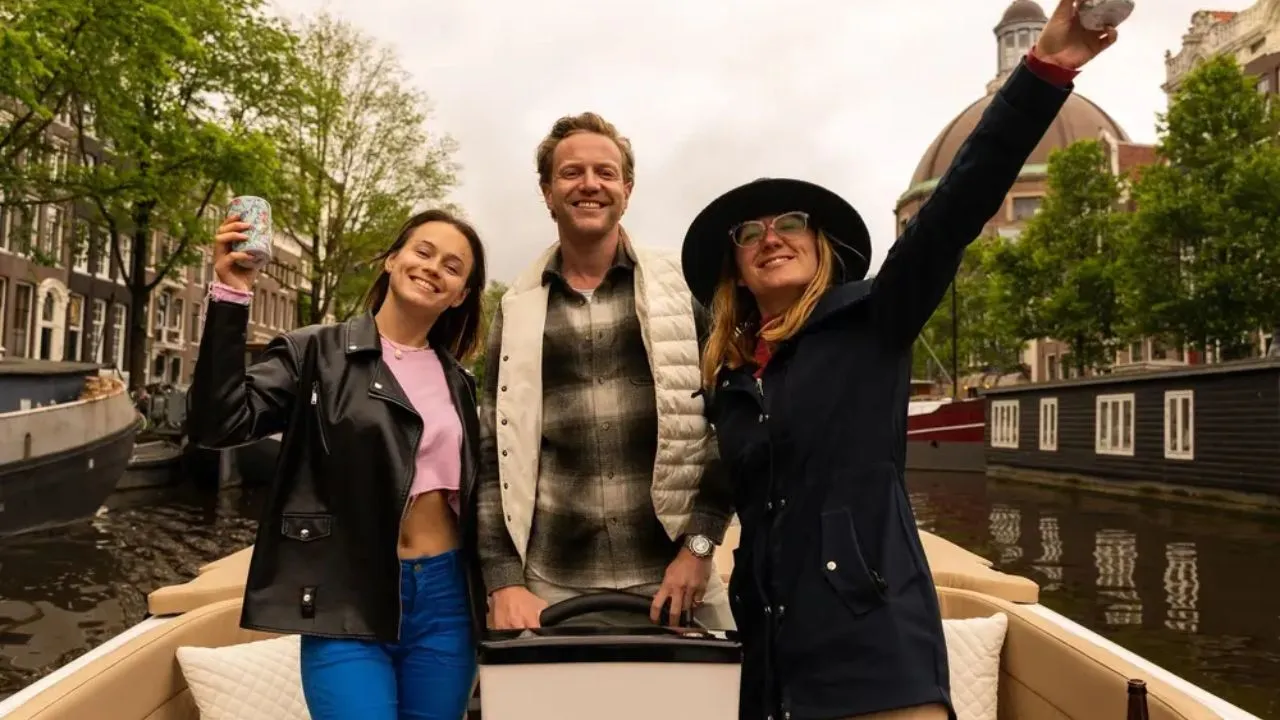
Not all canals were built for the same purpose.
The main canals, like Herengracht, were home to wealthy merchants. The inner canals were more practical and residential.
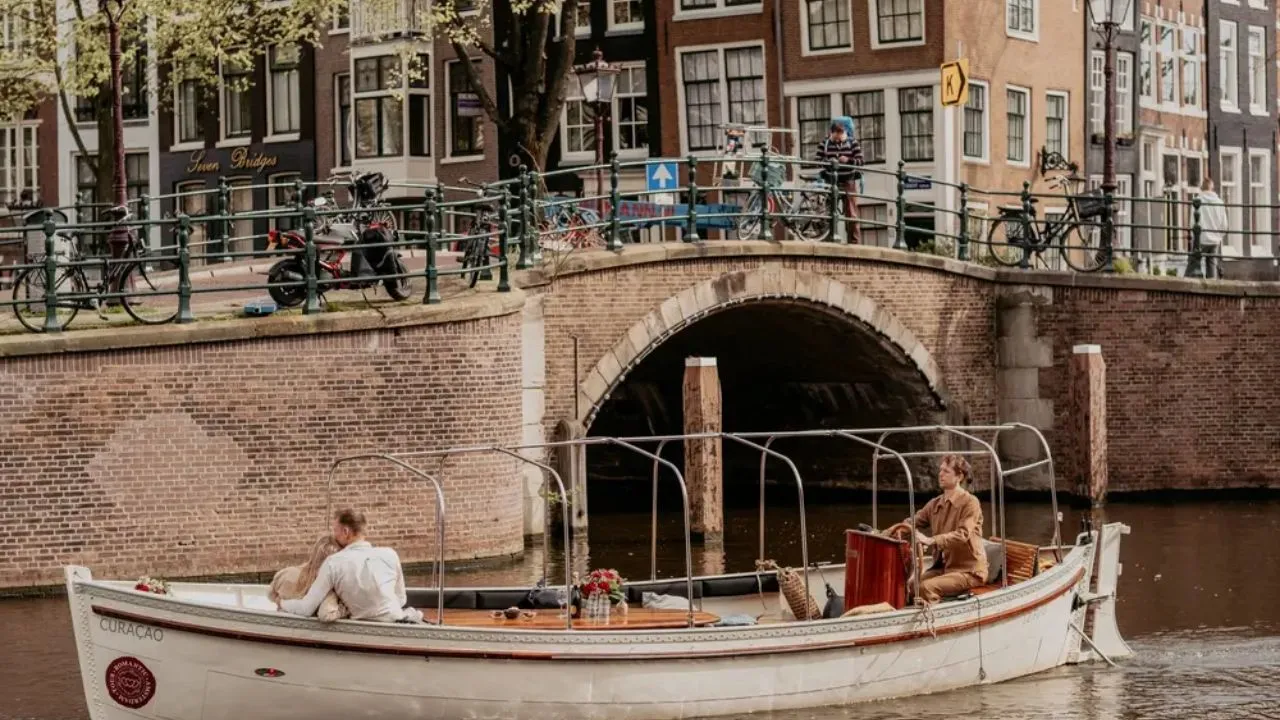
Even the bridges were designed with purpose.
They are low to:
-
Control water flow
-
Limit large vessel movement
-
Maintain structure across canals
Now here’s where the experience changes.
You move from lively, busy canals into quieter stretches, slowly noticing how each part of the city once served a purpose. Trade, living, movement, all of it starts to make sense as the journey unfolds. It feels like a natural progression, not just a ride from point A to B.
Join Adam & Eve Tours and enjoy a customized itinerary designed around your pace and interests. Everything feels organized, yet flexible enough to adapt to what you want at the moment. You are not following a fixed plan. You are experiencing the city in a way that fits you, with local insight guiding every step.
4. You Feel the Difference in How It’s Led
This is something most people don’t think about beforehand.
A private boat tour in Amsterdam is not just about space. It’s about interpretation.
Some tours feel scripted. You listen, you move on, and the experience feels fixed.
Others feel adaptive.
With curated experiences like Adam & Eve Tours, you’ll notice something subtle.
The captain:
-
Adjusts based on your pace
-
Shares insights when relevant
-
Allows quiet moments to stay quiet
That balance makes it feel natural, not forced.
You’re not being guided through a checklist.
You’re being introduced to the city.
5. You Discover the Side of Amsterdam Most People Miss
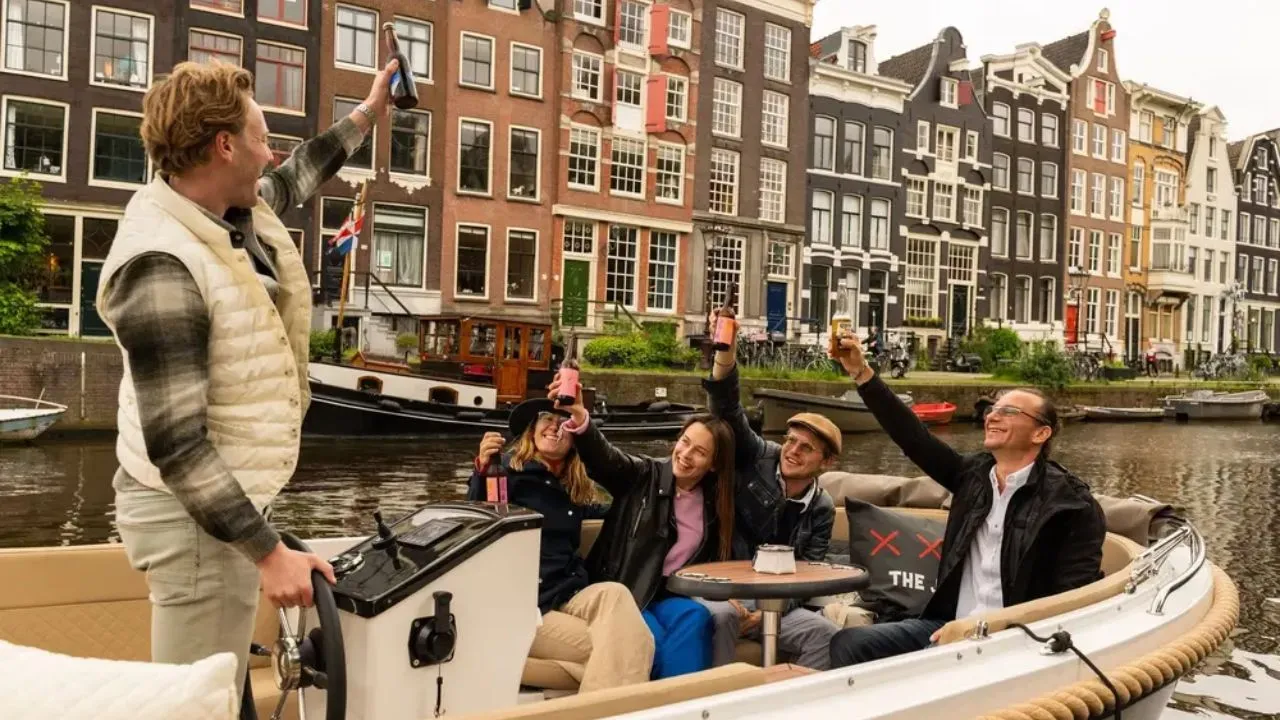
Here’s something many visitors don’t realise.
The real Amsterdam is often found away from the busiest canals.
Instead of staying on the main routes, you move into quieter waterways where:
-
Former warehouses are now homes
-
Locals sit by the water with coffee
-
The pace slows naturally
Historically, these were working areas.
Today, they feel residential and personal.
That transition tells you a lot about how the city evolved.
And it’s something you only really notice from the water.
Is It Worth It, or Just a Premium Upgrade?
Let’s answer this clearly, the way we would if you were standing right here asking.
Yes, it does cost more than a shared experience. But the real value is not in the setup itself. It is in how the entire experience feels once it begins.
You are not being rushed from one stop to another. You are not trying to keep up with a group. Instead, everything slows down just enough for you to actually take it in.
With thoughtfully curated experiences from Adam & Eve Tours, that difference becomes obvious quite quickly. Their customized itineraries are built around your pace, your interests, and your curiosity. It feels organized, but never rigid.
Here is what truly sets our private boat tour apart:
-
The freedom to move at your own pace
-
Flexibility to explore what genuinely interests you
-
Rich local context that connects food, streets, and stories
-
A calm, pressure-free way to experience the city
-
Expert guidance that brings hidden details to life
And this is the part most people remember.
You are not just visiting places. You are hearing local stories, understanding why certain foods matter, and seeing how daily life actually unfolds here.
It is the difference between passing through Amsterdam and experiencing it like someone who knows it well.
So when you think about the cost, the better question becomes, what kind of experience are you really looking for?
How to Decide If It’s Right for You
Ask yourself a few simple questions:
-
Do I prefer slower, more immersive experiences?
-
Do I want to understand what I’m seeing, not just look at it?
-
Do I value comfort and flexibility over cost?
If most answers are yes, this will likely be one of the most memorable parts of your trip. And if you want the same calm after dark, a luxury dinner cruise on the canals carries the idea into the evening.
What to Check Before You Book
Not all private tours are the same.
Look for:
-
Experienced captains with local knowledge
-
Flexible routes
-
Clear inclusions (food, drinks, duration)
-
Comfortable, well-maintained boats
At this level, the details shape the experience.
Key Takeaways

-
Amsterdam’s canals were built for trade, not tourism
-
Canal houses reflect taxation and merchant history
-
The route reveals how the city developed over time
-
The experience changes based on how it’s guided
-
A well-designed private boat tour adds depth, not just views
You can stand by the canal and take photos.
Or you can step onto the water and understand why the city exists the way it does.
So when you picture that moment, quiet water, leaning houses, and the city moving slowly around you, are you just seeing Amsterdam, or are you finally understanding it?